June to August Hours 7:30 AM to 5:00 PM Mon - Thurs








Health Announcements
Spring is in the Air. And so is Pollen. Here’s What to do.
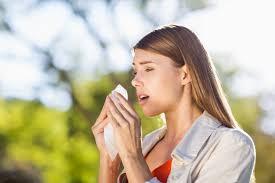
WHAT ARE SPRING ALLERGIES? Every spring, trees, grass, and weeds release tiny pollen particles into the air. For millions of people, the immune system mistakenly treats this pollen as a threat — triggering the all-too-familiar symptoms we call seasonal allergies.
COMMON SYMPTOMS Think you might have spring allergies? Watch out for:
Frequent sneezing Runny or stuffy nose Itchy, watery, or red eyes Scratchy or sore throat Fatigue or difficulty sleeping Headaches or sinus pressureKNOW YOUR TRIGGERS The most common spring allergy culprits are:
Tree pollen — birch, oak, cedar, and maple trees are the biggest offenders in early spring Grass pollen — picks up later in the season Mold spores — thrive in damp, rainy spring weatherPREVENTION TIPS — KEEP POLLEN OUT OF YOUR LIFE
Check daily pollen counts, plan outdoor activities on low-pollen days Keep windows and doors closed on high-pollen days and use air conditioning instead Shower and change clothes after spending time outdoors to wash pollen off your skin and hair Try to spend less time outside in the early morning (5–10 AM) when pollen counts are highest Dry laundry indoors — hanging clothes outside allows pollen to collect on fabrics Vacuum frequently using a HEPA filter vacuum to reduce indoor pollen buildup Change your HVAC filters regularly to keep indoor air cleanTREATMENT OPTIONS Over-the-counter relief is available and effective for most people:
Antihistamines — reduce sneezing, itching, and runny nose (e.g. Claritin, Zyrtec, Allegra) Nasal corticosteroid sprays — help reduce nasal inflammation (e.g. Flonase, Nasacort) Decongestants — relieve nasal stuffiness (e.g. Sudafed) Eye drops — soothe itchy, watery eyesAlways read labels carefully and consult your pharmacist before starting a new medication.
For more information on Spring Allergy Prevention, visit:
acaai.org/news/nothing-to-sneeze-at-expert-tips-on-coping-with-spring-allergies/